

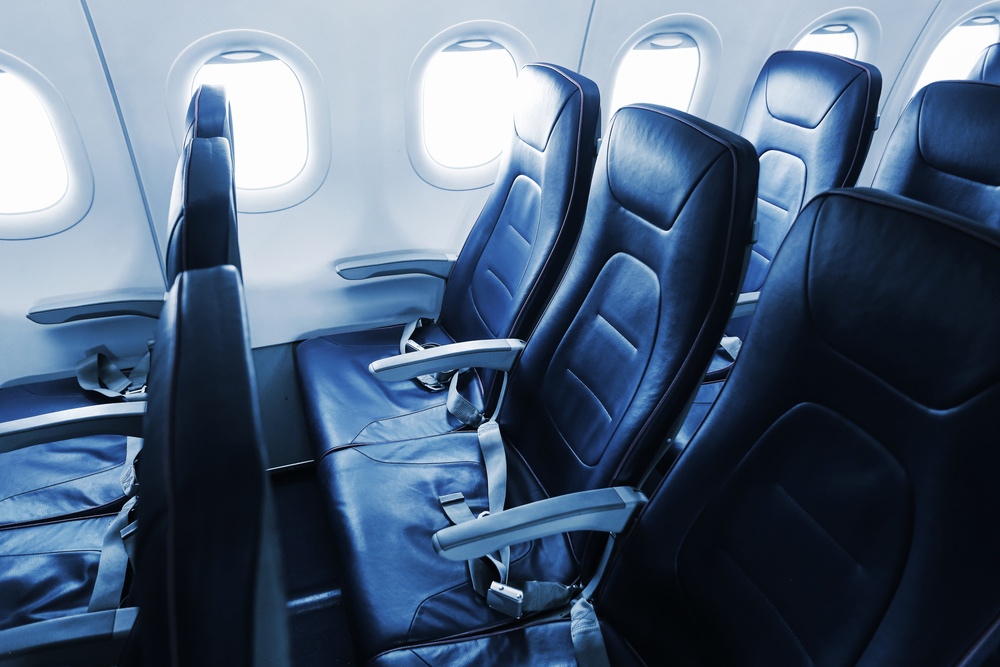
It is really tempting and exciting to visit a showroom or a completed aircraft at a trade show – all seats look luxurious, the lighting is soft and there is a fresh smell everywhere. Five minutes in the showroom seat doesn’t indicate comfort for a six-hour European flight. Cabin comfort depends on factors like noise, air quality, and seat durability, which can’t be assessed in the showroom.
Spend Time in the Seat
Of course, everyone will feel comfortable for several minutes. But the real comfort is provided when the person spends several hours in the seat. If it is possible, try to spend at least half an hour in the seat and try out all the positions: fully recline, elevate your legs, and see if the seat converts into a bed and if the cushions feel firm underneath.
Pay Attention to the Noise
The showroom is silent, but the cabin is noisy. The sounds from engines, outside air, and air conditioning can add to flight fatigue. Therefore, it is important to know what was done to reduce the noise level, for example, additional soundproofing of the walls, sealing of the panels, mounting of the furniture. If feasible, the cabin should be tested during a flight, or at minimum, someone who has flown in the cabin under consideration should be consulted. Rattles and squeaks from cabinets and trim are another thing you will only notice in the air.
Air, Temperature, and Light
One of the most important reasons people feel exhausted after long flights is the dryness of cabin air. Modern aircraft are equipped with humidifiers and lower cabin altitude; it makes the difference. It is necessary to find out whether each zone of the cabin has its own temperature regulator because passengers at the front and back of the cabin require different settings. Lighting also plays an important role.
Bright lighting, which cannot be dimmed, can negatively affect the passenger, while slowly changing color lighting can help to adapt passengers to the time shift.
Consider the Way the Cabin Will Be Used
A layout that appears attractive in photographs might actually be difficult to use in real life. It is important to imagine the typical flight route and the places where passengers will have lunch, work, sleep. It is necessary to check whether it is possible to get to the toilet without climbing over other passengers and whether there is enough space for the flight attendants to bring the food. Walking through the cabin as if on a real flight can help to identify the flaws, which are difficult to notice when looking at the finishes.
Ask the Right Questions
LifePort specialists believe that, in comparing aircraft interiors (VIP), the construction and materials of seats and furniture are just as important as how they look. What matters most is the materials used in producing the cushions and their durability against wear. Additionally, it is important to understand how simple it is to repair or replace a damaged component and whether it has been tested and certified by the FAA. Seats that quickly wear out will not provide comfort for a long time.
Conclusion
The showroom is a good starting point, but it is only a starting point. True comfort in an aircraft cabin comes from the seat, noise levels, air quality and lighting. It also comes from the cabin layout. It is necessary to take the time to ask the right questions.
Read More: I found more than just a fort during my time in Bekal
Moreover, if possible, test the cabin on the flight before signing the contract. It is much easier to make changes at this stage than later, when the cabin interior is already installed.